



Why People Are Choosing Asturias
Asturias is increasingly attracting families, professionals, and retirees who are looking for a place where quality of life is not a trade-off, but a foundation for long-term living and investment.
1. A Lifestyle Built Into Daily Life
In Asturias, access to nature, walkable towns, and outdoor living is part of everyday routines, not something reserved for weekends or holidays. Mountains, coastline, and green space shape how people live, work, and connect with their surroundings. The pace of life supports long-term well-being and community integration rather than short-term intensity, making the region particularly appealing for those planning extended stays or permanent relocation.
2. Strong Public Services
Quality of life in Asturias is underpinned by reliable fundamentals. Residents benefit from world-class healthcare, broad access to education, and dependable public infrastructure. These systems reduce long-term uncertainty and out-of-pocket costs, factors that are especially relevant for families, lifestyle investors, and retirees evaluating sustainability over time.
3. Safety and Stability as Everyday Features
Asturias consistently ranks among Spain’s safer regions, with low levels of violent crime and strong perceptions of personal security. Smaller urban centers, lower population density, and stable communities contribute to a sense of everyday safety that supports family life and long-term settlement.
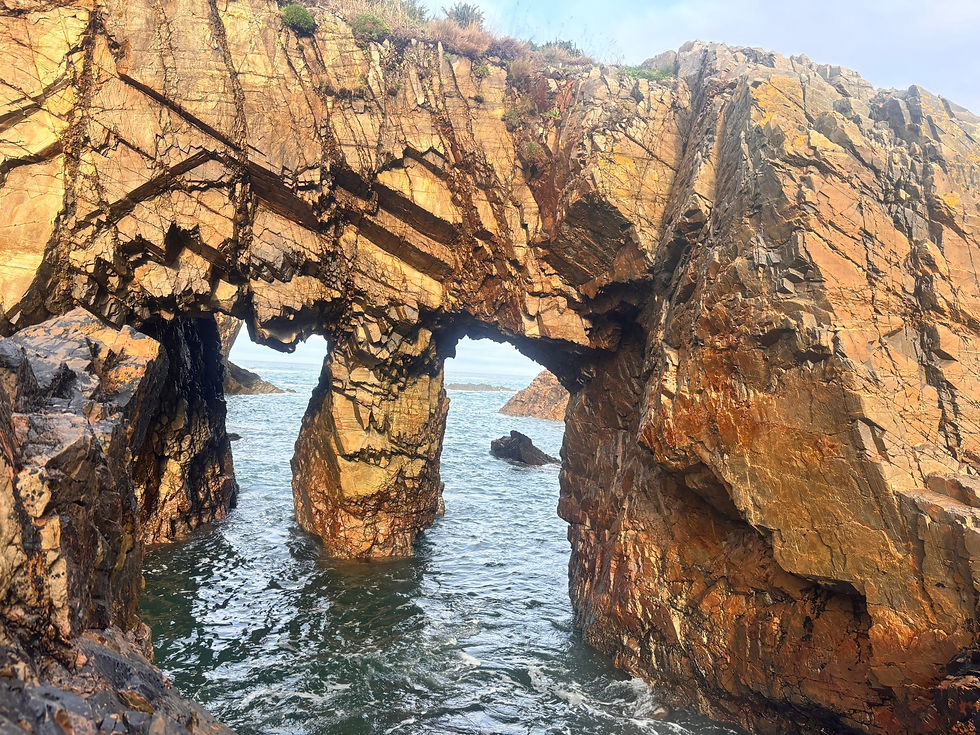
Asturias features dramatic cliffs, prestine beaches, and extensive mountain ranges, including the Picos de Europa National Park, offering a multitude of outdoor activities.
Spain’s public healthcare system consistently ranks among the top systems in Europe. Asturias performs above average on coverage and proximity, with Hospital Universitario Central de Asturias (HUCA) as the region’s flagship public hospital and a national reference center for oncology, transplants, and specialized care.
Asturias has crime rates well below large metropolitan areas such as Madrid or Barcelona.
4. A Temperate Climate in a Warming Europe
As extreme summer temperatures increasingly affect southern Spain and large urban centers, Asturias’ temperate Atlantic climate has become a growing advantage. Milder winters and summers, lower heat extremes, and sustained green landscapes support year-round livability and have contributed to rising interest during the summer months. What was once described as “wetter” is increasingly understood as climate resilience.
5. Affordability Without Compromising Quality
Compared to Spain’s major metropolitan and coastal markets, Asturias maintains lower baseline living costs, particularly in housing and daily expenses. At the same time, public services such as healthcare and education help limit long-term costs.This balance allows residents to prioritize space, comfort, and quality of life without the financial pressure common in more saturated regions.
With an average annual temperature of aprox.
14.5 °C, Asturias has mild winters and moderate summers resulting in fewer temperature extremes than inland Spain or much of southern Europe.
Min. 0 °C (32 °F)
Max. 32 °C (90 °F)
(SADEI Climatología, Asturias, 2025.)
The cost of living in Washington, DC is approximately 70.9% higher than in Gijón, Asturias (excluding rent). Assuming comparable rental situations in both cities, an estimated €7,570 (≈ $9,000) per month in Washington, DC would be required to maintain a standard of living equivalent to what can be achieved with approximately €3,600 (≈ $4,300) per month in Gijón.
(Numbeo. Crowd-sourced cost-of-living data; indicative, not official statistics)
How This Translates Into Long-Term Value
Taken together, these factors shape a region where lifestyle, stability, and affordability reinforce one another. In Asturias, quality of life is not separate from value — it supports long-term residential demand, sustained use, and thoughtful investment decisions.